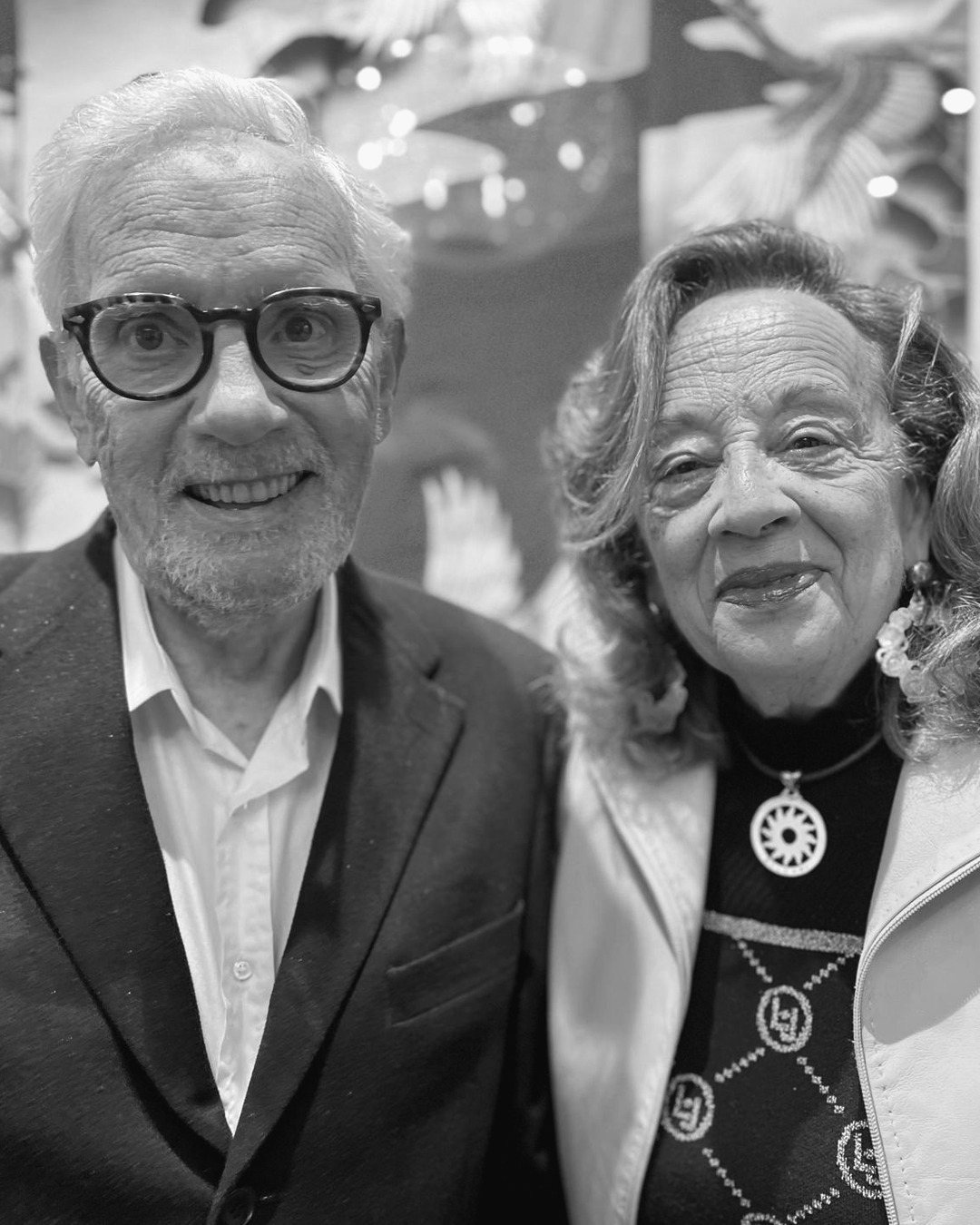

Sergio Calabrese
Criminal defence lawyer, Dean of the Cosenza Bar · † 11 September 2026
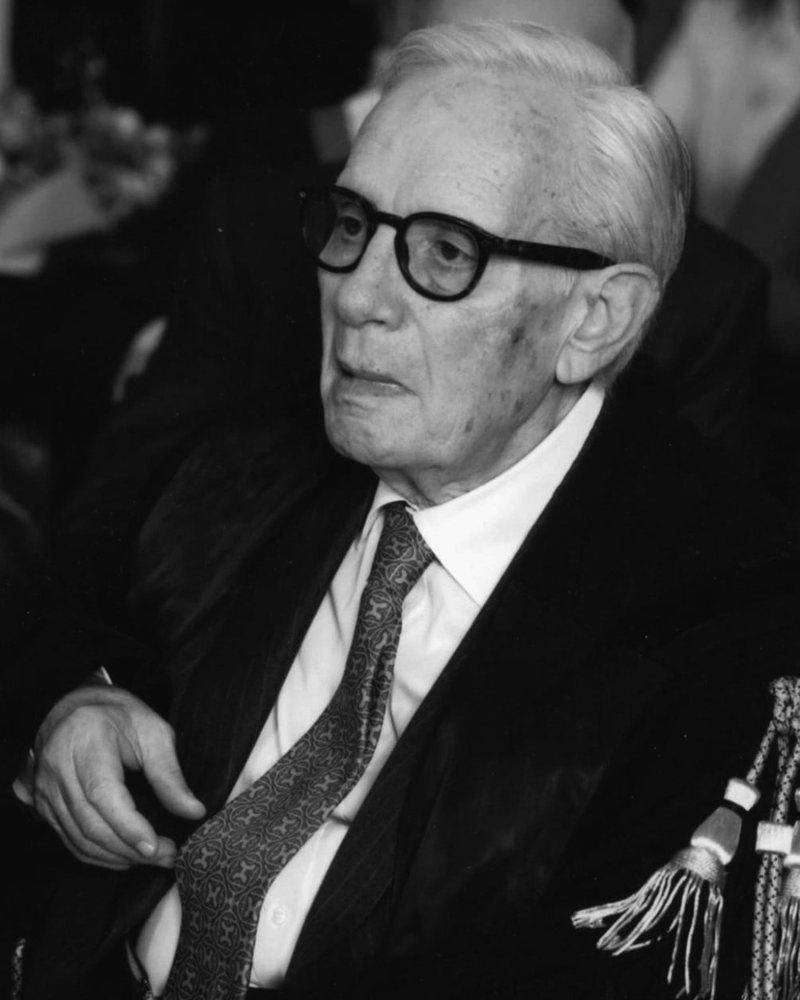
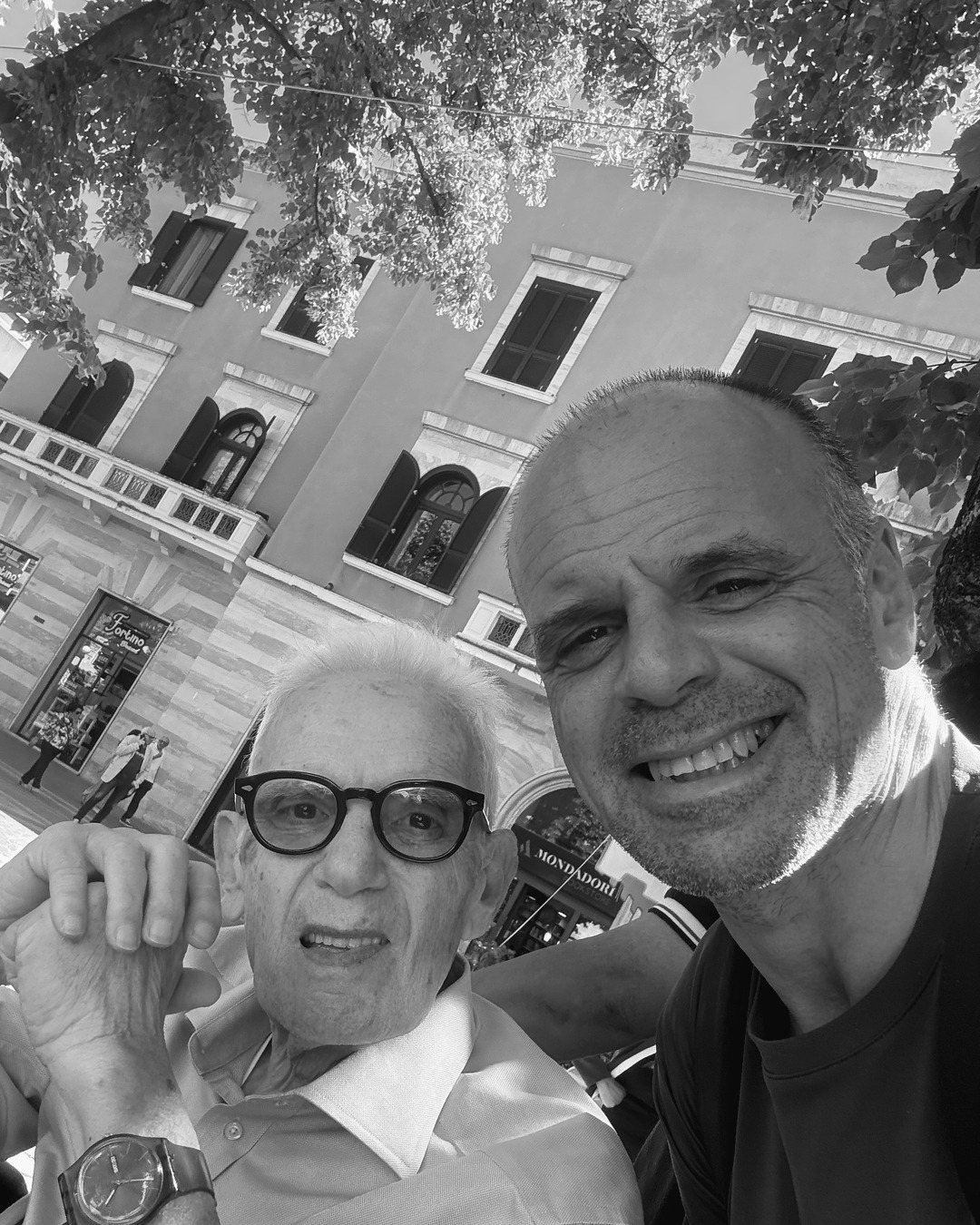
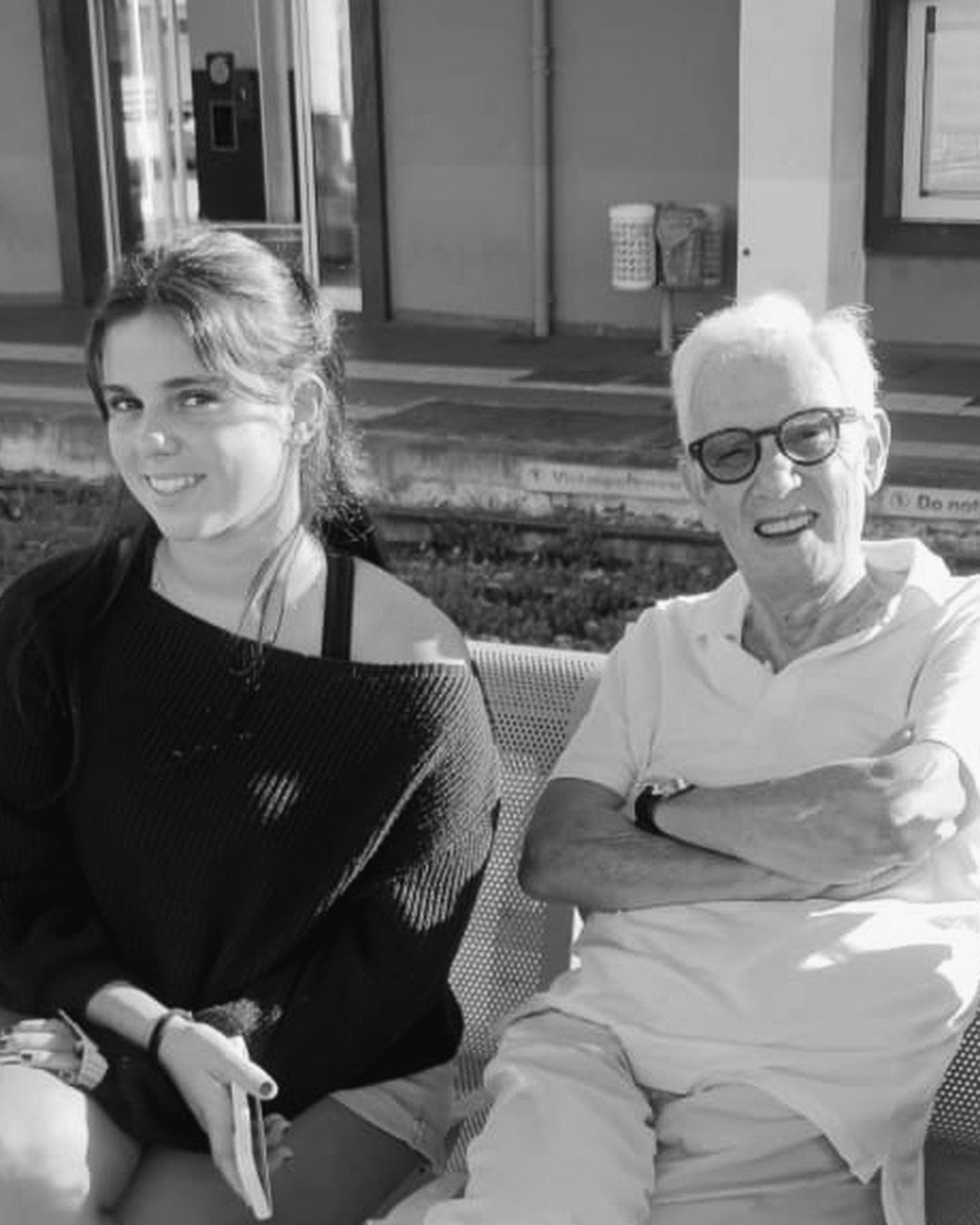
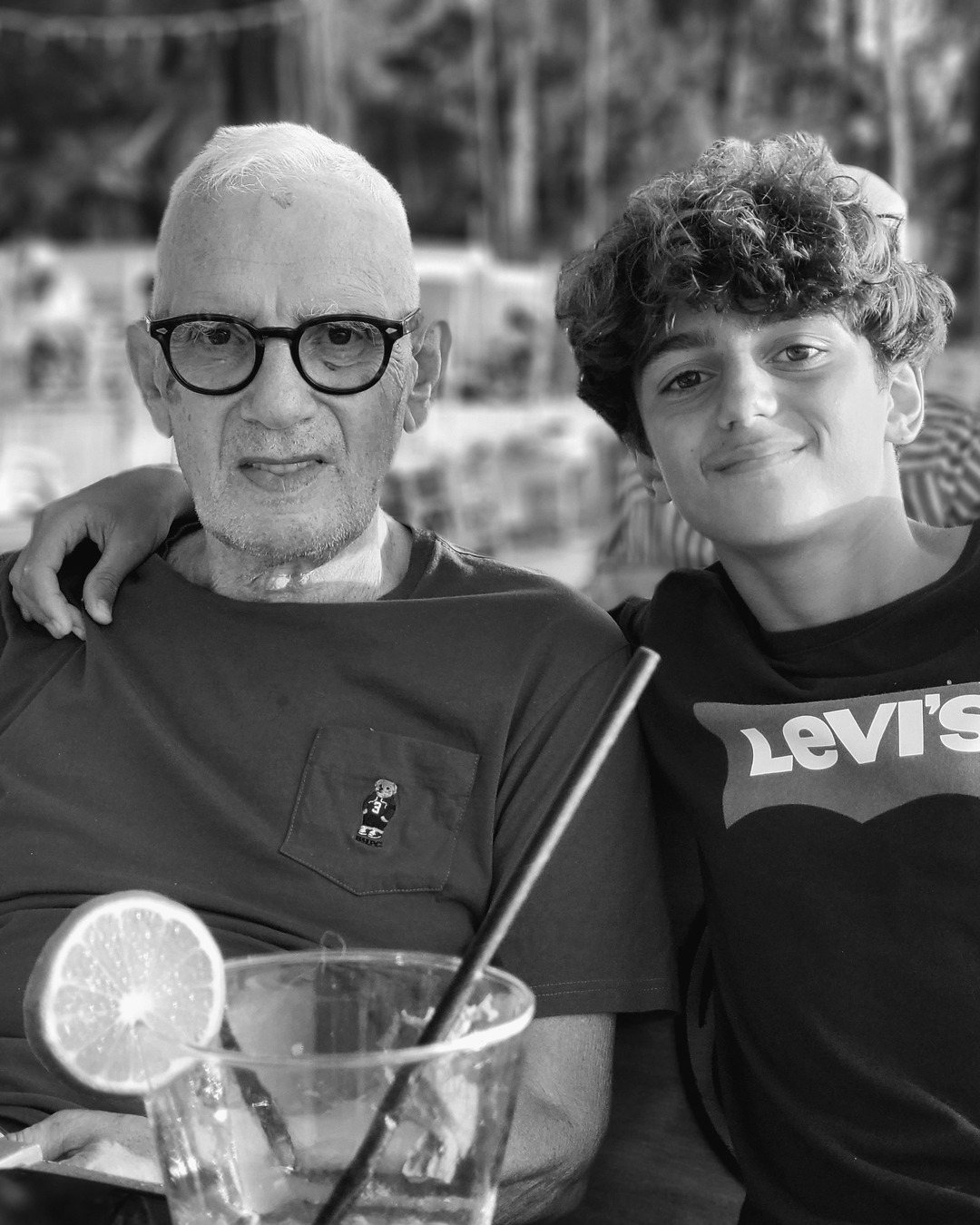
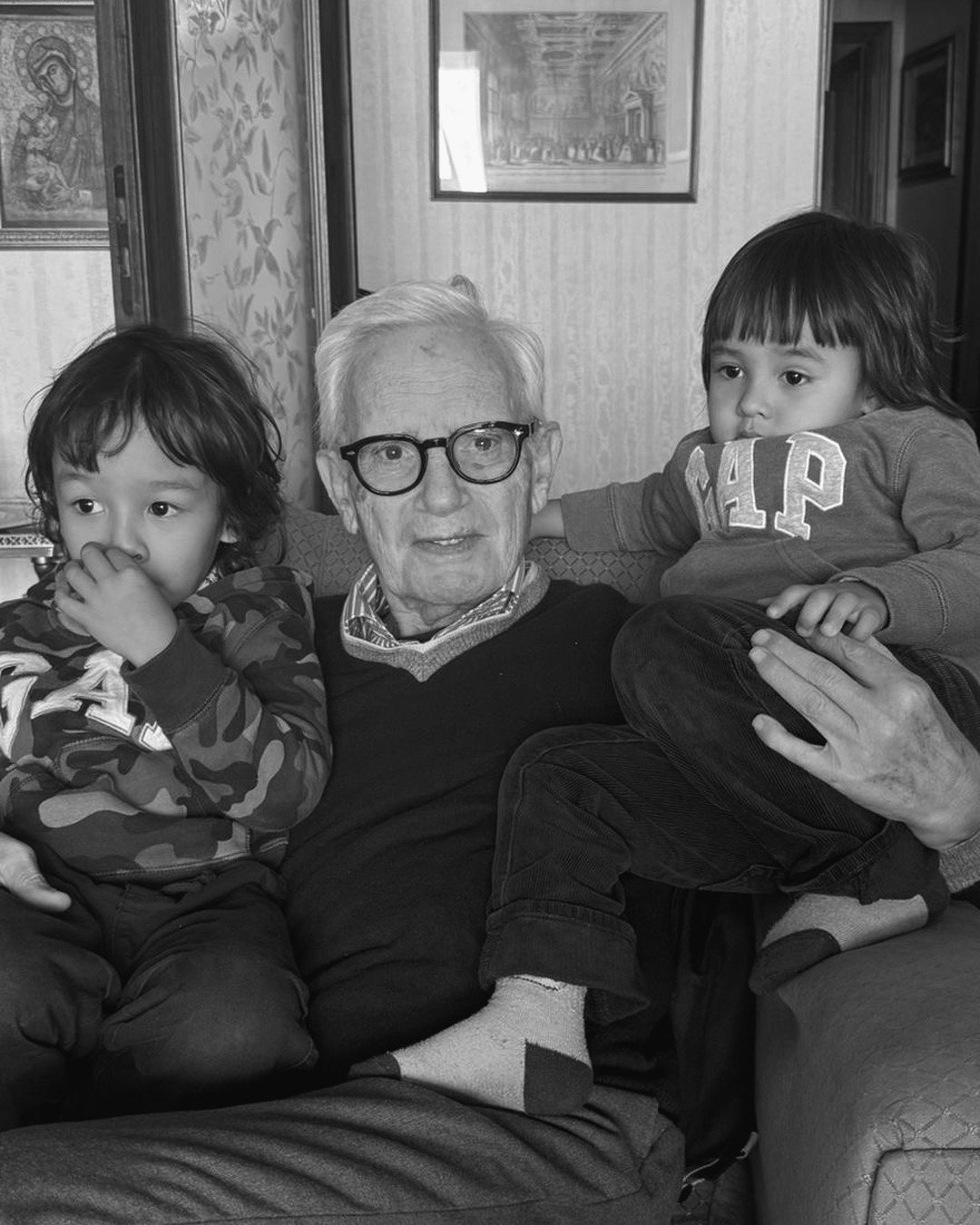
My father, the Lawyer
On 11 September 2026 my father, the lawyer Sergio Calabrese, died. I want to remember him starting from something I saw all my life: his gown.
As a child I used to see it in the evening. Dad would prepare his briefcase and, next to it, the gown, ready for the next day. In the morning he got his clothes ready and left: for Catanzaro, to the Court of Appeal, or for Rome. For years his gown carried the silver-and-black cord, the one every lawyer wears. Then, in the 1980s, when I was ten or eleven, the silver became gold: the gold-and-black cord of the cassazionisti, the lawyers admitted to plead before the Court of Cassation, Italy's supreme court. At home it was a big thing, lived with great honour, because it meant Rome.
He took all of us to Rome: whenever he had a case before the Cassation, as soon as school allowed, we left with him. Dad began telling us about the «Palazzaccio», the Palace of Justice in Piazza Cavour, where he went to argue his cases. I didn't understand that name: to me it was a big building, just very dirty. Later I found out that the Romans called it that because of its bulk and because of the controversies and scandals that accompanied its construction, between 1889 and 1911. Years later I saw it cleaned, white, and it looked like beautiful marble to me. It is travertine, the stone of Rome, but for that child it was marble, and it was beautiful all the same.
The years went by. Dad worked as a criminal defence lawyer for more than half a century; in 2024 the Cosenza Bar Association gave him the Golden Gown (Toga d'oro). Then he retired from the courtroom, but he never stopped feeling like a lawyer.
And now I have found that gown again.
In the three days after his death, while we were inside the grief of the family, something happened around us that I did not expect to be so big: an outpouring of affection from the whole city. Friends, relatives, clients, colleagues, and many young lawyers, pupils and young colleagues who had been trained by him.
The chapel of rest was set up in the seat of the Criminal Bar Chamber (Camera penale), at the Palace of Justice in Cosenza. For the whole day, about eight hours, a guard of honour stood beside the coffin: four lawyers in their gowns, relieving one another every fifteen or twenty minutes, still, in silence, to pay him honour. The same happened on the day of the funeral: the lawyers in their gowns received the coffin in front of the church and stood guard for the whole ceremony.
Looking at those gowns I understood that they were not honouring only my father. They were honouring the gown, the institution, the role of the lawyer, the right to a defence. Everything Dad had believed in, and had tried to hand on to those who came after him. In his last lesson at the Camera penale he had told the young criminal lawyers: «Sono e sarò sempre con voi, con le vostre Toghe, con la vostra passione, con il vostro coraggio di sentirvi ed essere Avvocati. Siatene orgogliosi, sempre» (“I am and always will be with you, with your Gowns, with your passion, with your courage to feel and to be Lawyers. Be proud of it, always”). In those days, those young people were there.
In that moment the two memories I had of him came together: the intimate one, of a child, the gown prepared at home in the evening; and the public one, the gown in the courtroom and in Rome. They were the same gown, and the same man.
The Camera penale said goodbye to him with two words: «Grazie Maestro» (“Thank you, Maestro”). A colleague, the lawyer Pietro Perugini, recalled the applause of all the defendants at the end of one of his closing speeches, «unico caso al quale ho assistito» (“the only case I have ever witnessed”). The mayor of Cosenza, who as a lawyer had shared the gown with him, described him as «un uomo di grande bontà, capace di ascoltare e di offrire sempre un consiglio con straordinaria generosità e pacatezza» (“a man of great kindness, able to listen and always to offer advice with extraordinary generosity and calm”).
In those three days I had confirmation once again that I had had a great father. A man of great values, of great integrity and of great kindness. I had always known it; seeing it recognised by a whole community gave him back to me whole.
That is why I decided to dedicate the Biblioteca Kytérion to him, together with my grandfather and my mother. My father spent his life defending people with words. I like to think that every book on these shelves is a way of continuing that work.
Thank you, Dad. Thank you, Maestro.