

A pope, Poland and memory
Context: January 2002. John Paul II has been pope for more than twenty-three years (elected on 16 October 1978) and is 81. Grandfather's judgement is the political and cultural one of a secular left-wing man of that moment. We report it in full; the checked facts are in the notes.
From the fate of the earth grandfather moves on to the pope, and first raises the objection himself: «Che c'entra il Papa? E il Papa c'entra» (“What has the Pope got to do with it? Oh, the Pope has something to do with it”) (16:34). He acknowledges his faith, «si affanna a pregare, sarà certamente un santo, sarà beatificato» (“he toils at praying, he will certainly be a saint, he will be beatified”), but considers him «un Papa che ha fallito tutti gli obiettivi della sua vita» (“a Pope who has failed in all the aims of his life”) (16:42–17:09)1.
The story begins with the election. In Poland «si versarono fiumi di vodka… perché si pensava: un Papa polacco certamente sarà un Papa nostro anche» (“rivers of vodka were poured… because people thought: a Polish Pope will surely be our Pope too”) (17:09–17:41). Instead the pope continued his struggle against the communist regimes, including that of his own country. Here grandfather recalls a little-known fact: «Mai tante chiese sono state costruite in Polonia come al tempo di Jaruzelski» (“Never were so many churches built in Poland as in Jaruzelski's time”) (18:09). It is true. In the 1980s, with General Wojciech Jaruzelski in power, almost a thousand churches were built in Poland, a unique case in the Soviet bloc2.
The «primo grande fallimento» (“first great failure”), according to grandfather, was not understanding that, «venuto a mancare l'altro polo del mondo» (“once the other pole of the world had gone”), «il paese più grande del capitalismo» (“the greatest country of capitalism”), the United States, would be left to dominate (18:38–19:29). After communism, he says, the pope «si è trovato addosso il consumismo, il capitalismo selvaggio» (“found consumerism, savage capitalism, on his back”) (19:45). The second failure is Poland itself, with its sons and above all its daughters «disperse per il mondo» (“scattered around the world”) (20:05).
Then the talk turns to memory. Poland «aveva una popolazione ebraica laboriosissima» (“had a most industrious Jewish population”), as in the whole Habsburg and Tsarist world: «Basta leggere i romanzi di Joseph Roth per capirlo» (“You only have to read Joseph Roth's novels to understand it”) (21:06–21:19)3. «Gli ebrei di Polonia sono stati quasi tutti sterminati.» (“The Jews of Poland were almost all exterminated.”) Grandfather says he read that along the railway to Auschwitz «qualche polacco» (“some Pole”) shouted to the deportees «Andrete presto al cielo, vi aspettano i forni» (“You'll soon go to heaven, the ovens are waiting for you”): «quindi sapevano» (“so they knew”) (21:31–22:08). He says «qualche polacco» (“some Pole”), not «i polacchi» (“the Poles”). Similar gestures were described by some Polish witnesses in Claude Lanzmann's Shoah (1985)4.
«Oggi in Polonia non ci sono quasi più ebrei» (“Today there are almost no Jews left in Poland”), he goes on. When a Jew was called into government («forse Geremek, non so», “perhaps Geremek, I don't know”) «si alzò un'ondata di sdegno» (“a wave of indignation rose”) (22:14). The memory is right. In 1997 the historian Bronisław Geremek, one of the fathers of Solidarność, became foreign minister, and a well-known priest, Henryk Jankowski, attacked the presence of Jews in the government5. For grandfather this too is a failure of the pope «nel suo paese» (“in his own country”). And on Lech Wałęsa: «un esperimento folcloristico, oggi è un ferro vecchio, dimenticato» (“a folkloristic experiment, today he is old scrap iron, forgotten”) (22:53). In the presidential election of 8 October 2000 Wałęsa had won 1.01% of the vote6.
Video by Orazio Garofalo (opens in a new tab), a friend of Umile Francesco Peluso and his family, published with his permission
Video source: YouTube channel @oraziogarofalorende (opens in a new tab) (uploaded on 9/12/2025). Speaker: Umile Francesco Peluso.
Sources
- John Paul II was beatified on 1 May 2011 and canonised on 27 April 2014 (Holy See, vatican.va). Grandfather's prediction came true. ↩
- Polskie Radio, «Najwięcej kościołów budowano za Jaruzelskiego» («La maggior parte delle chiese fu costruita sotto Jaruzelski», “Most churches were built under Jaruzelski”): polskieradio.pl (opens in a new tab) ; Polskie Radio 24, interview with R. Skibiński: polskieradio24.pl (opens in a new tab) ; BBC Culture, «The eye-popping churches of Communist Poland» (2020): bbc.com (opens in a new tab) ↩
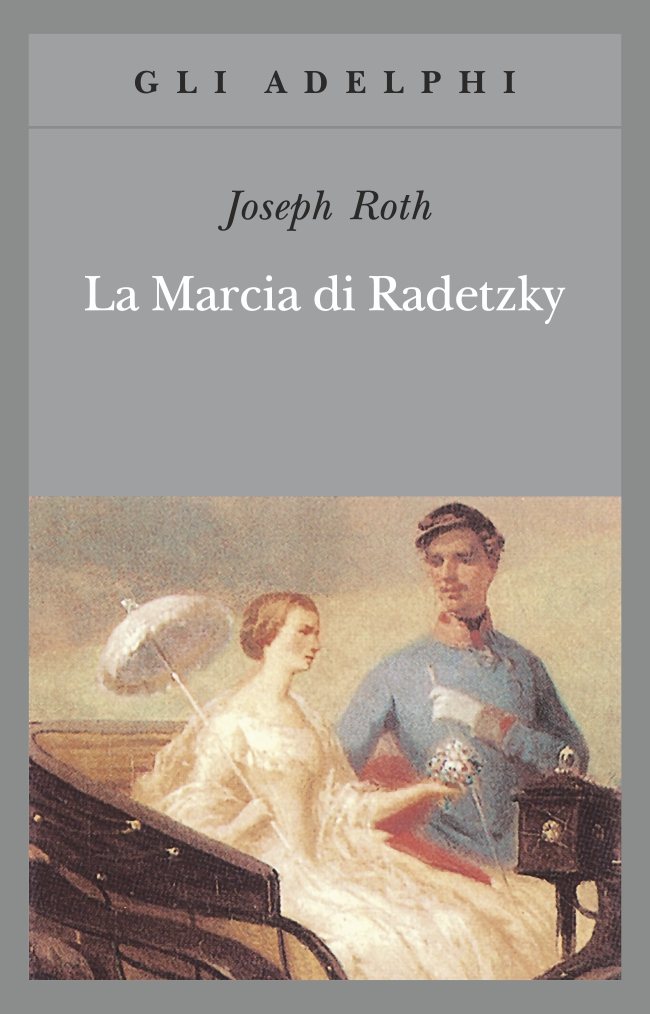
- Joseph Roth (Brody, Galicia, 1894 – Paris, 1939). On the Jews of the East: Ebrei erranti (The Wandering Jews, 1927); on the Habsburg world: La marcia di Radetzky (The Radetzky March, 1932). Grandfather does not say which novel. ↩
- Claude Lanzmann, Shoah (1985): the engine driver Henryk Gawkowski and some peasants of Treblinka show the throat-cutting gesture made to the trains. United States Holocaust Memorial Museum, Gawkowski record: portal.ehri-project.eu (opens in a new tab) ; Czesław Borowy record: collections.ushmm.org (opens in a new tab) . I do not know the source grandfather read. ↩
- Geremek was foreign minister in the Buzek government from 1997 to 2000. On the attack by Father Henryk Jankowski (1997): Radio Free Europe, «Poland: Priest Denies Anti-Semitic Statement»: rferl.org (opens in a new tab) ; taz.de, «Antisemitismus von der Kanzel»: taz.de (opens in a new tab) ↩
- Polish National Electoral Commission (PKW), 2000 presidential election: 178,590 votes, 1.01%: prezydent2000.pkw.gov.pl (opens in a new tab) ↩