

Violence against the earth
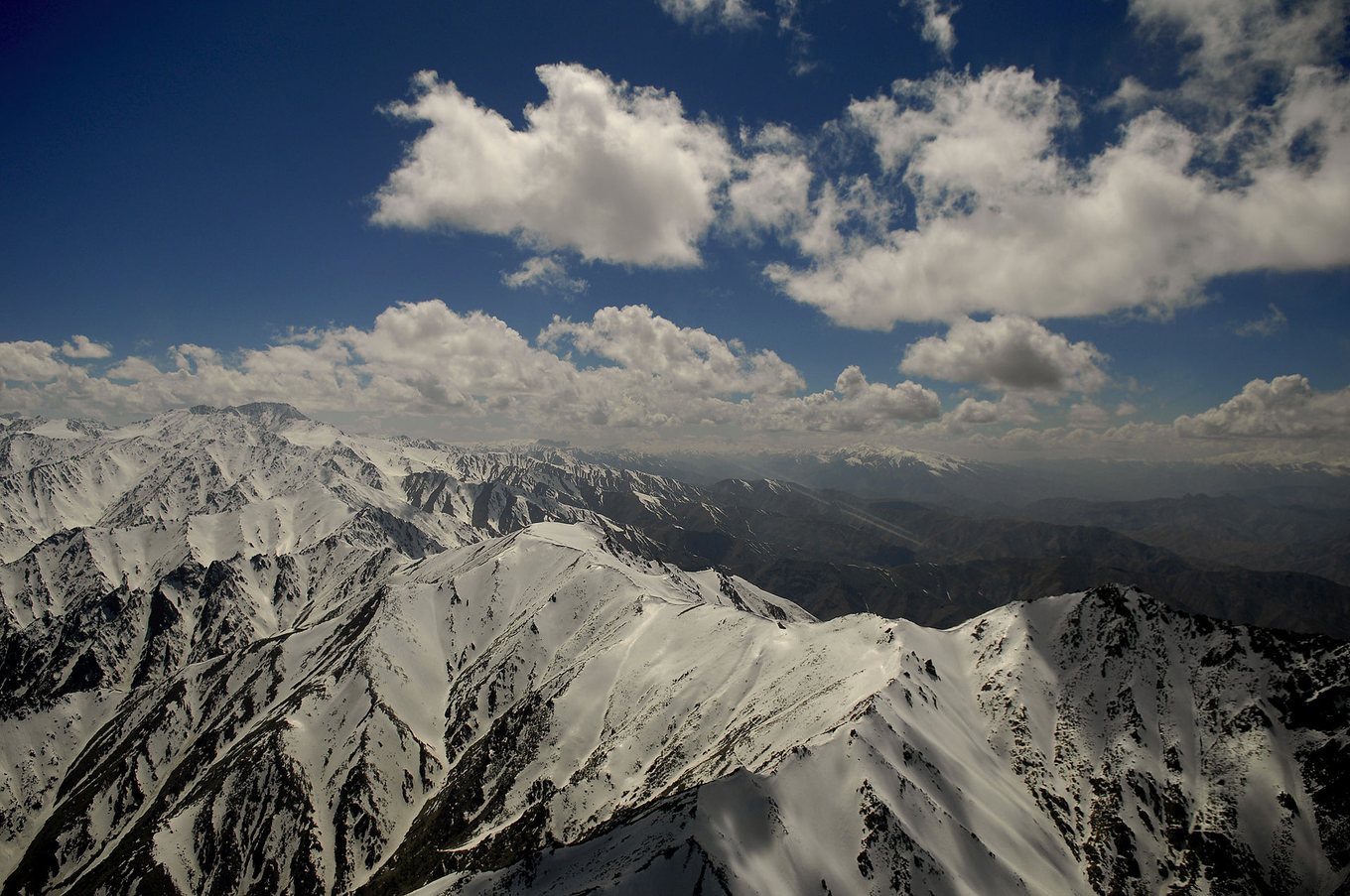
Context: January 2002. The American air campaign over Afghanistan, begun on 7 October 2001, concentrated in December on the caves of Tora Bora, where bin Laden was being hunted1.
For grandfather the war in Afghanistan is not only a war between men. «Questa guerra stupra perfino le montagne dell'Afghanistan» (“This war rapes even the mountains of Afghanistan”) (14:13). Before getting there, he quotes an English playwright: the United States is the country «che Harold Pinter definisce il governo farabutto» (“that Harold Pinter calls the rogue government”) (14:05). On 10 September 2001, the day before the attacks, Pinter had received an honorary degree from the University of Florence. In his speech he called the United States «the authentic "rogue state"», il vero «Stato canaglia» (the true “rogue state”). On 13 September, speaking to the Italian press, he made clear that he had never called for violence and described the attacks in New York and Washington as «orribili, spaventosi» (“horrific, appalling”)2.
Then grandfather recalls a newspaper article: «Bernardo Valli ha scritto sulla Repubblica un articolo bellissimo, due settimane fa, in cui dice che queste montagne, inviolate fin da quando si sono levate verso l'alto nella formazione della terra, per la prima volta sono colpite» (“Bernardo Valli wrote a beautiful article in la Repubblica two weeks ago, in which he says that these mountains, inviolate ever since they rose up in the formation of the earth, are being struck for the first time”) (14:21–14:51)3. From here grandfather arrives at an idea that today sounds surprisingly topical: «Questa è la violenza più grande che si possa commettere contro la natura: la distruzione, non solo gli avvelenamenti, gli inquinamenti, gli sfruttamenti, ma lo stupro della terra da parte di questi nuovi barbari» (“This is the greatest violence that can be committed against nature: destruction, not only poisoning, pollution, exploitation, but the rape of the earth by these new barbarians”) (14:51–15:15). For a man who spent his life searching the land of Calabria for the traces of ancient peoples, the earth is not a backdrop. It is memory.
Nota: fonte: Bernardo Valli, «Il fantasma di Omar che chiama al martirio», la Repubblica, 4/12/2001 (con i pezzi del 14/11 e 19/11/2001), it.wikiquote.org (opens in a new tab) (indicazione di Daniele Calabrese, 22/11/2026).
Translation Note: source: Bernardo Valli, «Il fantasma di Omar che chiama al martirio» (“The ghost of Omar calling to martyrdom”), la Repubblica, 4/12/2001 (with the pieces of 14/11 and 19/11/2001) (information from Daniele Calabrese, 22/11/2026).
There follows one of the most personal sentences of the talk: «È triste vivere oggi, perché sì, molti vivono senza pensare a quello che succede, ma in realtà i tempi che noi viviamo sono terribili. Non sappiamo dove andremo a finire» (“It is sad to live today, because yes, many people live without thinking about what is happening, but in reality the times we are living in are terrible. We don't know where we will end up”) (15:15–15:38). Grandfather does not want to be a prophet of doom: «Non è che voglio essere apocalittico, ma certamente ci aspetta un'apocalisse» (“It's not that I want to be apocalyptic, but an apocalypse certainly awaits us”) (15:38).
And he says who wants it: «coloro i quali vivono di rapina, vivono di latrocinio, vivono nel modo più disonesto che si possa immaginare» (“those who live by plunder, live by theft, live in the most dishonest way imaginable”). They want it «oggettivamente» (“objectively”), he specifies, that is, without saying so: by imposing on others «un sistema di vita infame» (“a vile way of life”), it is «come se volessero la distruzione di tutto… anche di se stessi» (“as if they wanted the destruction of everything… even of themselves”) (15:47–16:30). It is a moral judgement on economic power, not on a people.
Video by Orazio Garofalo (opens in a new tab), a friend of Umile Francesco Peluso and his family, published with his permission
Video source: YouTube channel @oraziogarofalorende (opens in a new tab) (uploaded on 9/12/2025). Speaker: Umile Francesco Peluso.
Sources
- Operation «Enduring Freedom» from 7/10/2001; the bombing of Tora Bora in December 2001: la Repubblica, «Tora Bora, fuga tra le bombe per gli uomini di Al Qaeda»: repubblica.it (opens in a new tab) ↩
- Harold Pinter, speech for the degree at the University of Florence, 10/9/2001, and statement to the Italian press of 13/9/2001 («The atrocities in New York and Washington are horrific, appalling»): haroldpinter.org (opens in a new tab) . Pinter received the Nobel Prize in Literature in 2005. ↩
- Bernardo Valli, «Il fantasma di Omar che chiama al martirio», la Repubblica, 4/12/2001 (with «Le quattro vite della capitale tra assedi e complotti», 14/11/2001, and «La disperazione degli sconfitti», 19/11/2001): it.wikiquote.org (opens in a new tab) (information from Daniele Calabrese, 22/11/2026). ↩